Views: 0
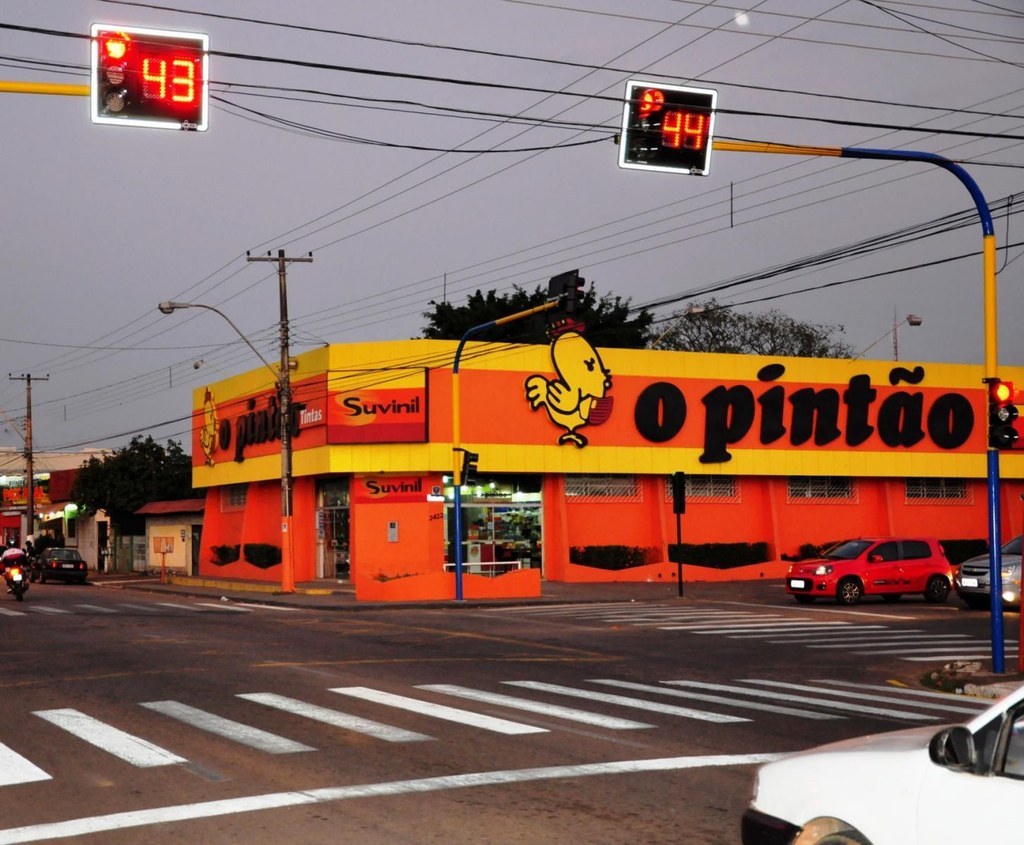
Veja 20 avisos, nas ruas do Brasil, que vão fazer a maior confusão na sua cabeça.
Fonte: 20 avisos que vão deixar você confuso
20 avisos que vão deixar você confuso


Via Buzz Feed
Views: 0
Veja 20 avisos, nas ruas do Brasil, que vão fazer a maior confusão na sua cabeça.
Fonte: 20 avisos que vão deixar você confuso
Via Buzz Feed
Views: 0
Era uma vez um rapaz que pediu a uma linda garota:
– Você quer se casar comigo?
Ela respondeu:
– NÃO!
E o rapaz viveu feliz para sempre, foi pescar, jogou futebol, conheceu muitas outras garotas, visitou muitos lugares, sempre estava sorrindo e de bom humor, nunca lhe faltava dinheiro, bebia cerveja com os amigos sempre que estava com vontade e ninguém tentava mandar nele.
A moça teve celulite, varizes, os peitos caíram e ficou sozinha.
FIM
Views: 0
Já que este assunto está voltando a ser comentado na Internet, vale a pena republicá-lo para enfatizar este fato estranho que é ignorado pelos arqueólogos
Fonte: Aquenáton: O faraó alienígena do antigo Egito – OVNI Hoje!
Views: 0
José António Salcedo começou a primeira intervenção nas Conversas à Moda do Porto com uma declaração de interesses: “as minhas declarações normalmente são no sentido de dizer que estou cá mas não tenho nada a ver com isto. Mas desta vez eu estou aqui em apoio claro e motivado para a candidatura de Rui Moreira, como é evidente”. Ler Artigo Completo
Fonte: “A cultura faz parte do processo de inovação”, diz José António Salcedo – Rui Moreira
Views: 0
Fonte: O dia que a Galiza entrou na Lusofonia: 20 de julho de 2009
https://lusoafonia.prazapublica.com/post/54328326899/o-dia-que-a-galiza-entrou-na-lusofonia-20-de
Views: 0
http://letratura.blogspot.pt/2007/02/glossrio-palavras-timorenses.html
Views: 0
Fonte: 31 nomes que não funcionam muito bem no Brasil
Louis Picamoles usando o aplicativo Rego no Boquete Country Club.


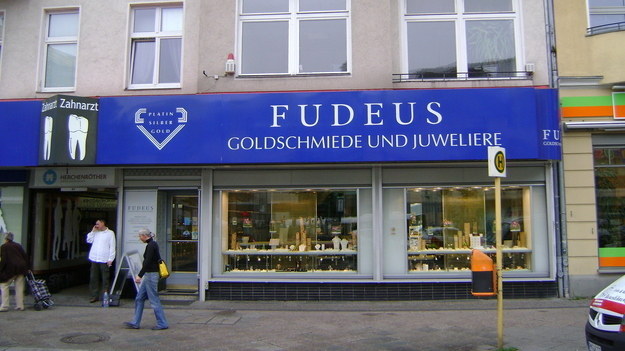
Via fudeu.info

Via bosta.com
BOSTA NETHERLANDS | BOSTA FRANCE | BOSTA BELGIUM | BOSTA UK
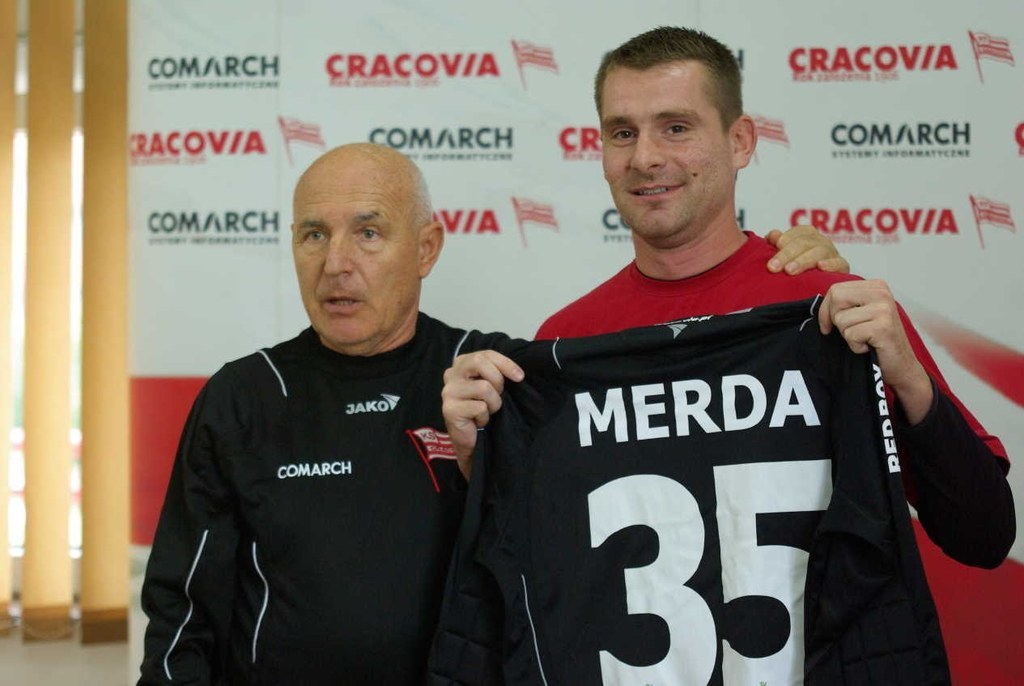
Via radardabola.com
Clarissa Passos / BuzzFeed Brasil
Clarissa Passos / BuzzFeed Brasil

Eduardo Fonseca Moraes.
Via rego.to
“Viu um restaurante que parece bom? Coloque no Rego. (…) Tem um tempinho livre? Abra o Rego e veja o que há em volta.”
Via en.wikipedia.org


Via paulbuceta.com

Via pinto.com.ec
Incluindo PINTO KIDS e PINTO BABY.

Via google.com.br



Clarissa Passos / BuzzFeed Brasil
Ela opera no Brasil com o nome Changan.
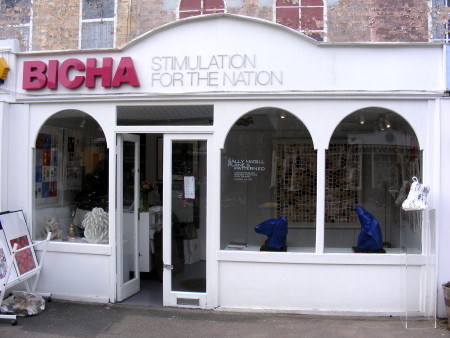
Via london-se1.co.uk

Via gozo.com
O endereço do site oficial é gozo.com/xixi.

Via Facebook: Furico



Via teucu.com
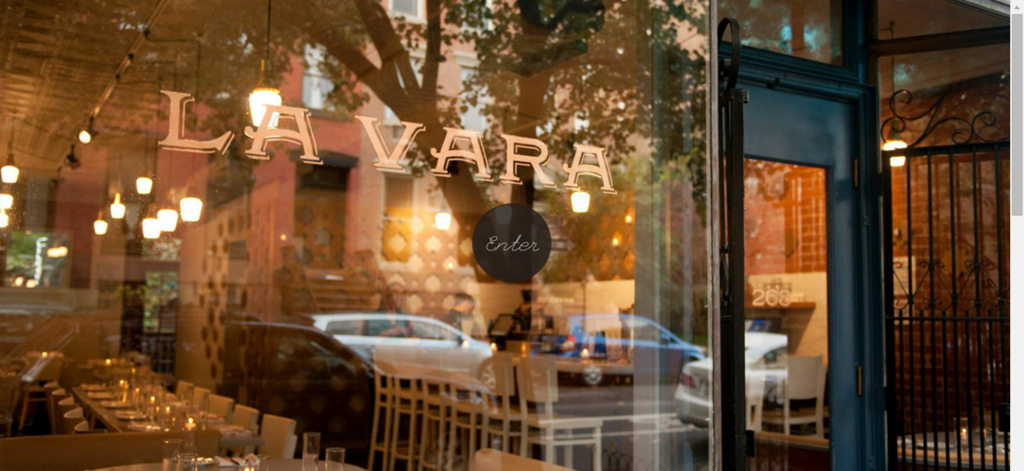
Via lavarany.com

Wolfgang Rattay / Reuters

Via picas.com.pe

Views: 0
BY NATIONAL INDIGENOUS AFFAIRS CORRESPONDENT BRIDGET BRENNAN

The online map marks the massacres of Aboriginal clans across Australia’s colonial frontier.
SUPPLIED: UNIVERSITY OF NEWCASTLE
After years of painstaking research, an online map marking the massacres of Aboriginal clans across Australia’s colonial frontier has launched.
More than 150 sites have been recorded along the east coast, where violent attacks on Aboriginal people took place for decades after the First Fleet arrived.
Historian and conjoint Professor at the University of Newcastle Lyndall Ryan believes it will be one of the most comprehensive maps of the Frontier Wars ever produced.
“I think this project wanted to provide people with the evidence and finding the evidence has taken a long time,” Professor Ryan said.
“We’d like to hope that this is a preliminary map and more and more sites will be added over time.”

Professor Ryan said finding sources to corroborate oral history of the massacres was difficult, because the killings were “designed not to be discovered”.

SUPPLIED: MITCHELL LIBRARY, STATE LIBRARY OF NEW SOUTH WALES
Sites in Tasmania, Victoria and most sites in New South Wales and Queensland have been recorded, but Professor Ryan said much more work needed to done in other states.
“As we move further west, I think we’ll find that map is going to have a lot of dots on it,” she said.
Each site has been recorded alongside multiple accounts of the battles, with sources from newspaper reports, settler diaries and letters, and court records.
Professor Ryan said Tasmania was the first site where major massacres occurred — the conflict there is commonly known as the Black War.
“They went for a period of about seven or eight years, and it terms of the Aboriginal population in Tasmania, certainly the numbers were devastating,” she said.
But as settlers moved north along the mainland, Professor Ryan said death counts rose dramatically.
“We’ve got a number of really major massacres where 60 or more [people] were killed and then we’ve got a very major event at Gippsland, the Warrigal Creek massacres, where over a period of about five days, about 150 people were killed,” she said.
Some Aboriginal communities asked the researchers not to pinpoint the exact location of where their ancestors were killed, so the map records an approximate site instead.
The dots are marked in yellow — after many communities told the researchers that red was a sacred colour which should not be used to mark deaths.

Each marking on the map includes a date, the number of people killed, the types of weapons used by settlers and, in many cases, the names of the perpetrators.
“If you can provide the evidence of the information, then it could help to overcome a lot of the uncertainty and scepticism,” Professor Ryan said.
“I think it’s making us focus on just what happened.”
There are few monuments to the Frontier War across the Australian landscape, and Professor Ryan hopes that may change.
“I guess this could be the beginning,” she said.
“However, we still haven’t reached the point where we’ll stop desecrating these sites.
“We’ve got a long way to go to accept the Frontier War.”
The research team found many major massacres happened alongside rivers, but some battle sites are now under dams, reservoirs and weirs.
“That’s where the majority of Aboriginal people were, that was where the good pastoral land was and that’s where the settlers wanted to be,” Professor Ryan said.
“I think it would be possible along the Murray River to have some well-identified signs [saying]: ‘This was a battle site’.”
http://mobile.abc.net.au/news/2017-07-05/new-map-plots-massacres-of-aboriginal-people-in-frontier-wars/8678466?pfmredir=sm